A three phase UPS is an uninterruptible power supply designed to condition and back up electrical loads drawn across three alternating current phases rather than a single phase line. It is the standard choice for data centers, industrial facilities, and large commercial buildings where power demand is too high for single phase equipment to handle efficiently. By balancing load across three phases, this type of UPS delivers more stable voltage, higher capacity, and better overall efficiency for mission critical operations. This guide explains how three phase UPS systems work, where they are used, and what to consider when selecting and maintaining one.
What Is a Three Phase UPS
A three phase UPS is a backup power system built to accept and output three phase alternating current, typically used in facilities with large or variable electrical loads. Unlike single phase UPS units that serve smaller loads such as individual server racks or workstations, three phase systems are engineered to support entire data halls, server rooms, or industrial production lines. The three phase design spreads the electrical load evenly across three separate conductors, which reduces strain on any single circuit and allows for more efficient power delivery. These systems are almost always found in environments where continuous, high capacity power is non-negotiable. In practical terms, a three phase UPS acts as the buffer between utility power and critical infrastructure, absorbing fluctuations before they ever reach sensitive equipment.
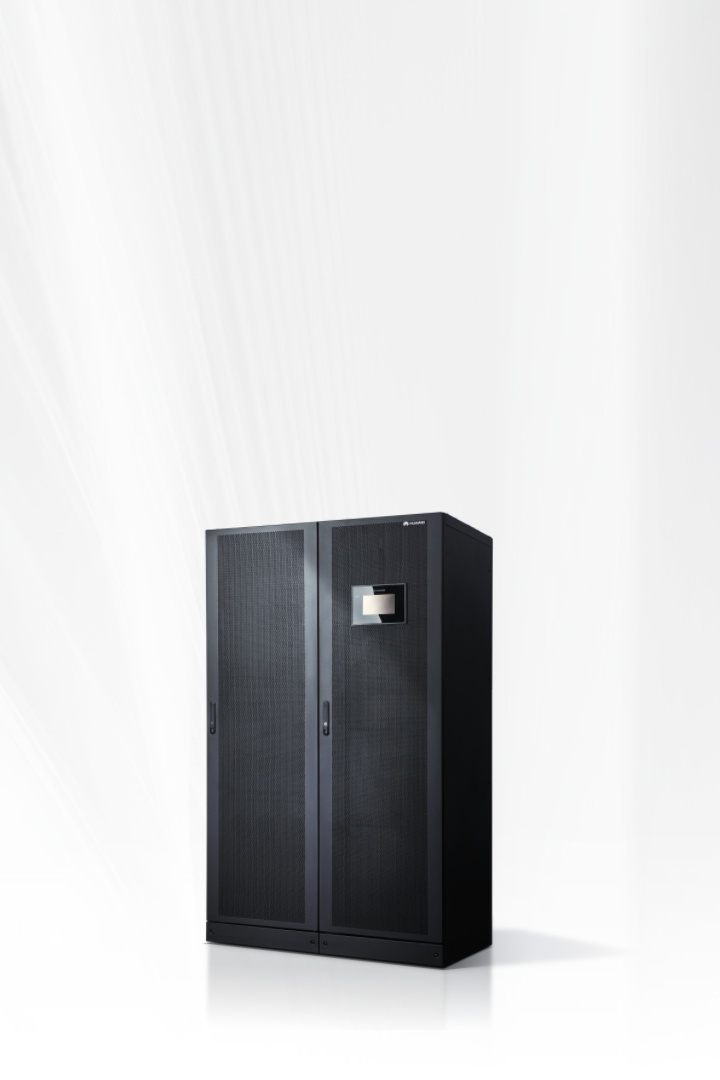
How a Three Phase UPS Works
A three phase UPS continuously monitors incoming utility power and corrects for sags, surges, harmonics, and outages before power reaches connected equipment. Most three phase UPS systems used in data centers operate in double conversion mode, meaning incoming AC power is converted to DC, stored or regulated through the battery system, then converted back to clean AC output. This process ensures that the output waveform remains stable regardless of what is happening on the utility side. If utility power fails entirely, the internal battery bank takes over instantly, with no perceptible break in power delivery to connected loads. Some three phase UPS models also support bypass modes, allowing power to route directly from utility to load during planned maintenance or when the UPS itself needs servicing, which helps keep uptime high even during internal upgrades.
Where Three Phase UPS Systems Are Used
Three phase UPS units are the backbone of power protection in data centers, colocation facilities, hospitals, and manufacturing plants. Any environment running racks of servers, storage arrays, or heavy industrial machinery typically relies on three phase power because single phase circuits cannot efficiently deliver the required capacity. In a data center, a three phase UPS commonly sits between the utility feed or generator and the power distribution units that feed individual racks. In industrial settings, the same technology protects automated equipment, control systems, and safety-critical machinery from power interruptions that could halt production or damage equipment. Even large commercial buildings with chillers, elevators, and lighting systems may use three phase UPS equipment to keep core infrastructure running during grid instability.
Selection Criteria for a Three Phase UPS
Choosing the right three phase UPS starts with understanding the total load it needs to support, both current demand and reasonable headroom for future growth. Facility planners should evaluate runtime requirements, since battery backup time varies based on load percentage and battery configuration. Redundancy is another major factor, as many data centers deploy UPS units in N+1 or 2N configurations to ensure that a single unit failure does not cause downtime. Physical footprint and cooling requirements also matter, since larger three phase UPS units generate heat and require adequate clearance and airflow. Finally, compatibility with existing switchgear, generators, and transfer switches should be confirmed early in the planning process to avoid costly rework later.
Technical Specifications to Review
When evaluating a three phase UPS, the key specifications to review include input and output voltage ranges, kVA and kW capacity, efficiency rating, and battery type. Efficiency ratings matter because even small percentage differences translate into significant energy costs over the life of the unit when operating continuously at scale. Battery type, whether valve regulated lead acid or lithium-ion, affects runtime, footprint, and replacement intervals. Input power factor and total harmonic distortion figures are also worth reviewing, since poor power quality on the input side can affect upstream generators and utility billing. Buyers should request manufacturer datasheets for the exact specifications of any model under consideration rather than relying on general assumptions.
Installation and Field Notes
Installing a three phase UPS requires careful coordination between electrical contractors, facility engineers, and the equipment manufacturer or supplier. Proper grounding and bonding are essential, as three phase systems carry more current and any wiring errors can create serious safety hazards. Battery cabinets, whether integrated or external, need adequate ventilation and should be installed on a level, load-rated surface. Many installers also recommend commissioning tests after installation, including load bank testing, to confirm the UPS performs as expected under real operating conditions before it goes live. Cable routing and clearly labeled circuits also make a measurable difference during future maintenance, reducing the time technicians spend tracing connections during an emergency.
Common Mistakes to Avoid
One of the most common mistakes is undersizing the UPS by only accounting for current load without factoring in planned expansion. Another frequent issue is neglecting proper battery maintenance schedules, which can lead to reduced runtime or unexpected failures during an actual outage. Some facilities also overlook the importance of regular load testing, assuming the UPS will perform correctly simply because it passed inspection at installation. Skipping environmental controls, such as temperature and humidity monitoring in the UPS room, can shorten battery life significantly. Finally, failing to document bypass procedures and train staff on them can turn a routine maintenance event into an unplanned outage.
Maintenance Requirements
Three phase UPS systems require scheduled preventive maintenance to stay reliable, including visual inspections, battery testing, and capacitor checks. Most manufacturers recommend professional maintenance visits at regular intervals, along with firmware or software updates where applicable. Battery replacement is one of the most predictable maintenance costs, since batteries degrade over time regardless of how well they are maintained. Facilities should also keep detailed maintenance logs, which help identify patterns before they become failures and support warranty claims if issues arise. Dust accumulation and ambient temperature should be checked during each visit, since both factors directly influence component lifespan.
Cost and Budget Considerations
A three phase UPS represents a significant capital investment, but the cost tradeoff should be evaluated against the cost of downtime rather than purchase price alone. Higher efficiency models often carry a higher upfront cost but reduce electricity expenses over years of continuous operation. Choosing a unit with some capacity headroom costs more initially but avoids the larger expense of a full system replacement when load grows. Battery technology choice also affects long-term budget, since lithium-ion batteries typically cost more upfront but last longer and require less frequent replacement than traditional lead acid batteries. Facility managers should build a total cost of ownership model rather than comparing sticker prices alone.
Summary
A three phase UPS is essential infrastructure for any facility running heavy or continuous electrical loads, providing the stability and backup power needed to protect critical operations. Understanding how these systems work, where they fit, and how to size and maintain them properly helps facility teams avoid costly downtime and extend equipment life. From initial selection through ongoing maintenance, every decision along the way affects long-term reliability and operating cost. For teams researching UPS options for a data center or industrial facility, reviewing available UPS systems is a practical next step toward finding the right fit for specific load and redundancy requirements.
Need a quote on this?
Send the load, the capacity and the delivery country. A priced quote comes back within 48 hours.
Request a Quote