A static transfer switch is a solid-state device that automatically transfers a critical electrical load between two independent power sources with no interruption in supply, typically switching within a quarter-cycle or less. It uses electronic components rather than mechanical contacts, which allows it to react far faster than traditional switching equipment. Data centers, hospitals, and industrial control rooms rely on this speed to keep sensitive electronics running through a source failure. Because the transfer happens before downstream equipment even registers a voltage dip, connected loads experience what looks like uninterrupted power. This article explains what a static transfer switch does, how it operates, and what buyers should consider before specifying one.
Definition
A static transfer switch, often abbreviated STS, is an electronic switching device designed to move a load from a primary power source to an alternate source without any noticeable break in output. Unlike a standard transfer switch that relies on mechanical breakers or contactors, an STS uses thyristors or silicon-controlled rectifiers to perform the switching action. This solid-state design eliminates moving parts in the switching path, which is the main reason transfer times are measured in milliseconds instead of seconds. The device continuously monitors both the preferred and alternate sources for voltage, frequency, and phase quality. When it detects that the active source has degraded or failed, it commands the alternate source to take over instantly.
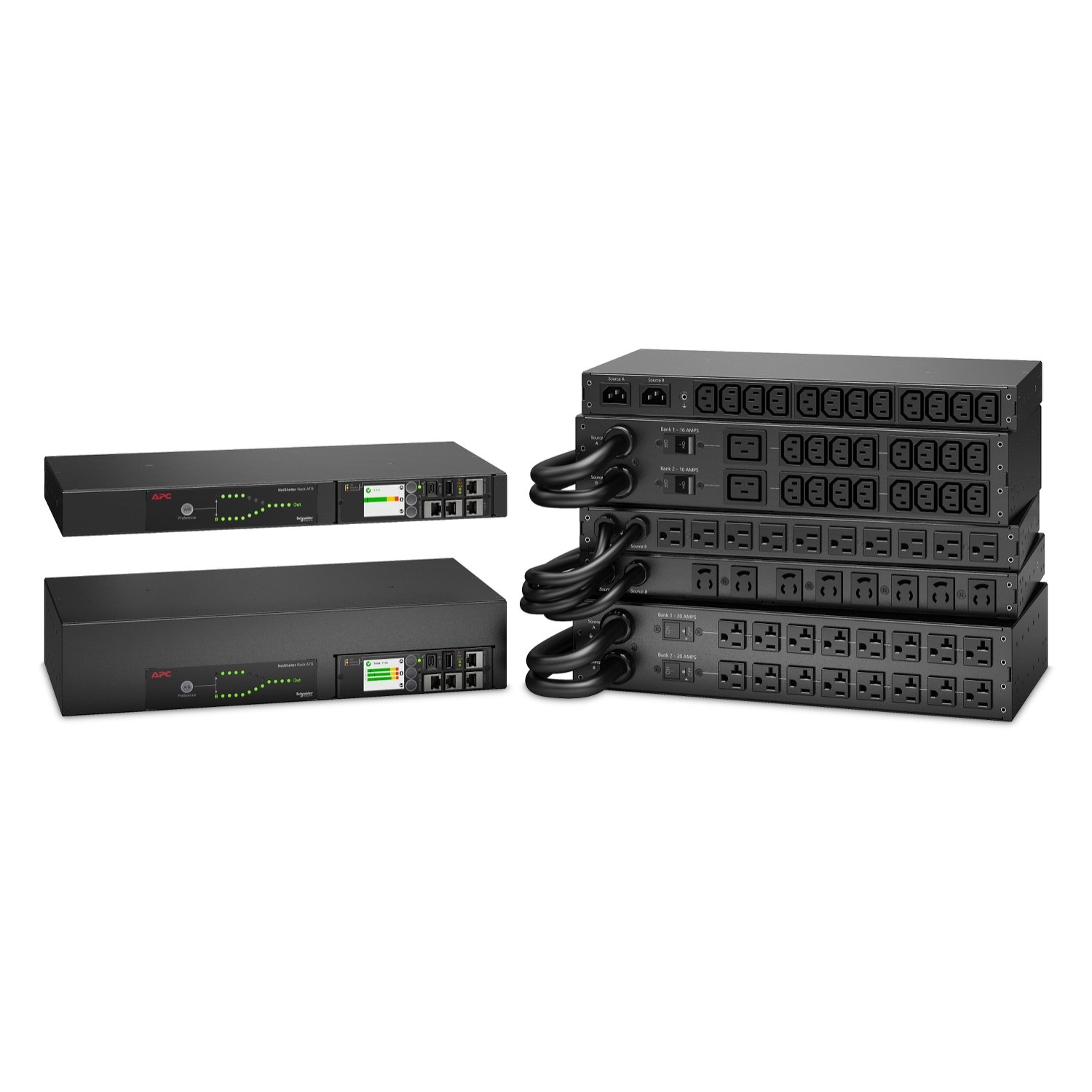
How It Works
Internally, a static transfer switch monitors both incoming power feeds in real time, comparing voltage levels, frequency, and phase angle continuously. When the preferred source falls outside acceptable parameters, the control logic sends a signal to the solid-state switching devices, which open the connection to the failing source and close the connection to the alternate source almost simultaneously. Because thyristors can switch on and off within a fraction of an AC cycle, the transfer is completed before the load’s internal power supplies deplete their stored energy. Many designs also include a synchronization check to confirm the two sources are in phase before switching, reducing stress on connected equipment. Some units support a make-before-break sequence during planned transfers, while unplanned failures trigger a break-before-make sequence to avoid backfeeding a faulted source.
When and Where It’s Used
Static transfer switches are most common in facilities where even a few milliseconds of power interruption can cause data loss, equipment faults, or safety risks. Data centers use them extensively to connect dual-corded IT equipment to two separate UPS systems or utility feeds, ensuring that a fault on one path does not affect server uptime. Hospitals rely on them for operating rooms and imaging equipment where power continuity is a patient safety issue. Industrial facilities with continuous process lines, such as chemical processing or semiconductor manufacturing, also use STS units to avoid costly production interruptions. In telecommunications, central offices and network hubs use static transfer switches to keep switching equipment online during utility disturbances.
Selection Criteria
Choosing the right static transfer switch starts with understanding the connected load’s total current draw and confirming the switch can handle that amperage with margin for future growth. Buyers should also look at the number of poles and phases required, since single-phase and three-phase configurations serve different facility types. Transfer time is another key factor, and most quality STS units specify sub-cycle switching, but it is worth confirming this figure rather than assuming it. The physical footprint matters too, particularly in data centers where rack space and cabinet clearance are limited. Finally, consider whether the unit needs to integrate with existing building management or monitoring software, since not all switches offer the same communication protocols.
Technical Specifications
Static transfer switches are typically rated by their maximum current capacity, voltage class, and number of phases, with common configurations built for single-phase or three-phase distribution systems. Transfer time is usually expressed in milliseconds or fractions of an AC cycle, and this figure is one of the most important specifications for critical load protection. Input and output voltage ranges define what sources the unit can safely bridge, and this should match the facility’s utility and backup power characteristics. Many units also list a fault current rating, which indicates how much short-circuit current the switch can withstand without damage. Enclosure type, whether rack-mounted or floor-standing, is another spec that affects how the switch fits into existing data center or electrical room layouts.
Installation and Field Notes
Installation of a static transfer switch requires careful planning around both source feeds, since the unit needs stable connections to two independent power paths to function correctly. Electricians typically verify phase rotation and voltage compatibility between the two sources before energizing the switch, as a mismatch can prevent proper synchronization. In rack-mounted data center deployments, technicians should confirm adequate airflow around the unit, since solid-state components generate heat during normal operation. It’s also common practice to label both input feeds clearly at the switch and at the originating panels, reducing confusion during future maintenance. Field technicians often recommend a startup test that simulates a source failure, confirming the switch transfers correctly before the facility goes live with critical loads connected.
Common Mistakes
One frequent mistake is undersizing the static transfer switch for the connected load, which can lead to nuisance trips or premature component wear. Another common issue is neglecting to verify that both power sources are properly synchronized in phase and frequency, which can cause switching disturbances even when the hardware itself is functioning normally. Some installations skip proper grounding and bonding checks, which can create safety hazards or interfere with the switch’s fault detection logic. Facilities sometimes overlook firmware or control panel updates, missing improvements to switching logic or monitoring features. Finally, failing to document which loads are connected to which output can create confusion during emergency troubleshooting, delaying recovery when it matters most.
Maintenance
Routine maintenance for a static transfer switch typically includes visual inspection of connections, verification of cooling fan operation, and periodic testing of the transfer function under controlled conditions. Because the switching components are solid-state, there is less mechanical wear compared to traditional transfer switches, but thermal cycling can still degrade components over years of service. Technicians often check for loose terminals, since vibration and thermal expansion can gradually loosen connections in high-current applications. Reviewing event logs and alarm history is also valuable, as it can reveal recurring source quality issues before they escalate into failures. Many facilities schedule an annual functional test that forces a transfer between sources to confirm the switch still performs within its rated transfer time.
Cost and Budget Note
Static transfer switches generally cost more than basic mechanical transfer switches because of the solid-state components and control electronics required for millisecond-level switching. This added cost reflects a tradeoff: facilities pay more upfront in exchange for significantly faster transfer times and reduced risk of downtime for sensitive loads. Organizations with less critical equipment may find that a standard transfer switch meets their needs at a lower cost, while facilities running continuous IT operations or life-safety systems often justify the premium. It’s also worth budgeting for installation labor and testing, since proper commissioning is essential to realizing the switch’s full protective value. Considering the switch alongside the cost of potential downtime often makes the investment easier to justify.
A static transfer switch plays a focused but essential role in keeping critical power paths reliable, bridging two sources so fast that connected equipment never notices the change. Understanding how it works, where it fits, and how to maintain it helps facility teams make better decisions when specifying backup power infrastructure. For a closer look at available transfer switch options and configurations, visit DataCenterPort’s transfer switches page.
Need a quote on this?
Send the load, the capacity and the delivery country. A priced quote comes back within 48 hours.
Request a Quote